Every Multilingual Learner Deserves a Personalized Pathway to Success
Have you ever seen a child who is fully engaged in class, yet begins to struggle when the teacher speaks too quickly? When subject-specific terminology becomes overwhelming in a textbook, they quietly turn to their phone to look up translations. During group discussions, they may understand most of what is being said, yet hesitate to share their own ideas. They are not lacking ability or effort; they are simply still developing their English proficiency.
At KLIS, we call these students Multilingual Learners (MLLs). They are developing their English proficiency while drawing upon the strengths of one or more additional languages. We firmly believe that multilingualism is not a deficit to be addressed, but a valuable cognitive and cultural asset.

Support Begins with Recognizing Every Child’s Linguistic Strengths
The international school classroom presents challenges for all students, and even more so for MLLs. Language serves both as a tool for learning and as a subject of learning itself. Since its establishment, KLIS has developed a comprehensive MLL support system — the Multilingual Learners Program (MLLP) — spanning from elementary through high school. Rather than viewing language support as a remedial program, we intentionally activate students’ multilingual resources, helping them build upon their existing strengths and progress steadily toward academic success.

Multilingual Learner Support Across Elementary and High‑School Levels
At the elementary level, our support approach emphasizes embedded classroom support. Language development is not separated from academic content; instead, it is integrated into daily learning through scaffolded instruction, push-in support, and pull-out support. Teachers intentionally incorporate opportunities for academic language development into lesson design and create meaningful communication experiences, allowing younger multilingual learners to learn through English rather than simply learn English in isolation. Differentiated instruction and individualized attention are embedded throughout the learning process, ensuring that every child can gradually develop language confidence, academic identity, and a strong sense of belonging in a supportive environment.
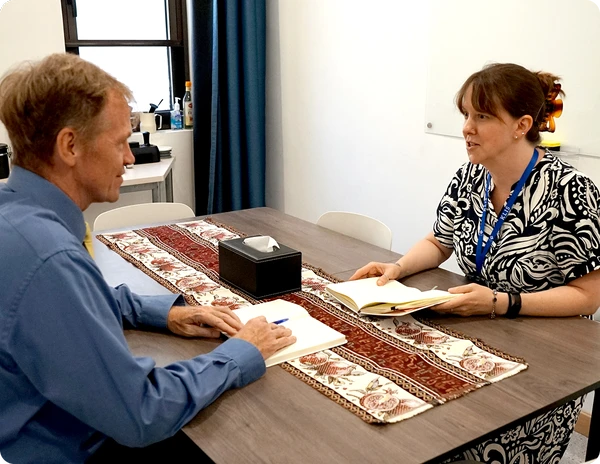
As students enter high school (Grades 9–12), both the complexity of coursework and academic language demands increase significantly, placing greater expectations on MLL students’ academic English proficiency. Most MLL students are able to transition successfully with regular support strategies. However, a small number of students may not yet have reached the expected level of WIDA proficiency and may require additional support to independently access a fully English-medium curriculum. To support these learners, KLIS has established the Academic Bridge Year (ABY) program alongside its existing MLL support system. The program provides dedicated instructional time and targeted academic support, helping students strengthen their language foundation and prepare for successful participation in mainstream courses. ABY is not an isolated language course. Instead, it is a language and academic preparation program deeply integrated with subject content. Its ultimate goal is to ensure that every participant can successfully transition into the international high school curriculum and have equitable opportunities to thrive.
Our Commitment: Every Multilingual Learner Deserves Support Along Their Journey
Whether through embedded elementary support or the ABY bridge program in high school, the same commitment guides our work: a student’s potential should never be limited by language barriers. KLIS is dedicated to creating clear, accessible pathways that allow every multilingual learner to grow with confidence. We believe that every child possesses unique cognitive strengths developed through multilingual experiences. Our support system provides the foundation for these strengths to take root, flourish, and contribute to meaningful learning in the classroom.
In the new semester, KLIS will continue to strengthen its MLL support initiatives, empowering every multilingual learner to progress at their own pace and move toward a broader future.